'/%3E%3C/svg%3E)

Brazil’s Exclusive Vehicles Produced Until 1995
Brazil has always had a creative and resilient automotive industry, which produced unique vehicles tailored to the country’s conditions. Many of these models were never manufactured elsewhere, becoming true collector’s items and cherished by car enthusiasts. In this article, we explore the most iconic cars developed and produced exclusively in Brazil up until 1995.
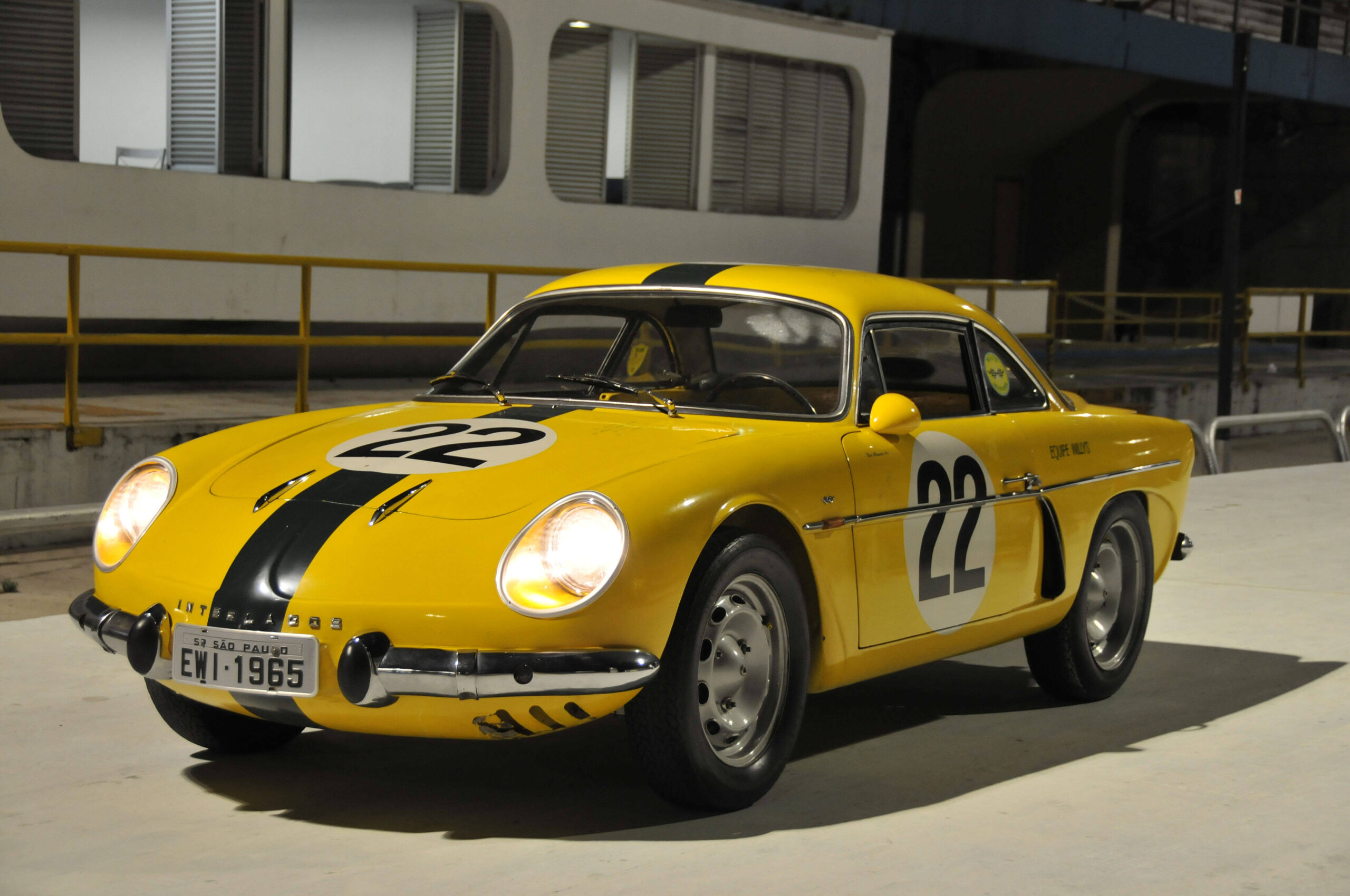
1- Willys Interlagos (1962–1966)
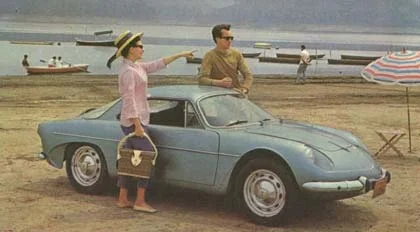
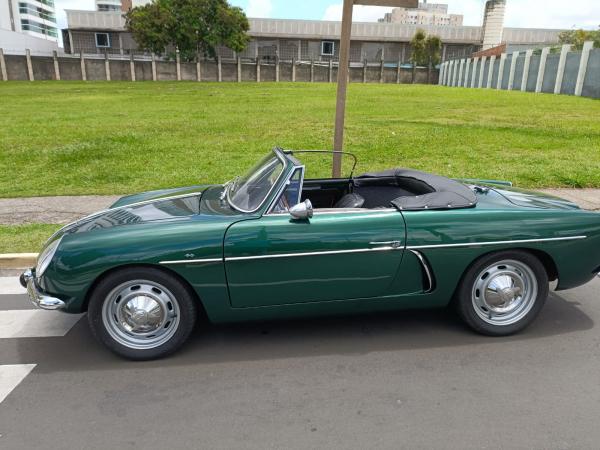
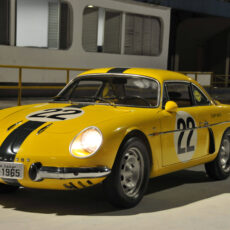
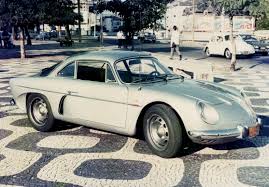
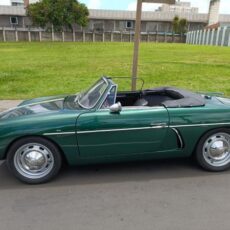
The Willys Interlagos was the first sports car produced in Brazil. Based on the Renault Alpine A108 but manufactured under license by Willys-Overland, it stood out for its fiberglass body and Renault engine ranging from 845cc to 1.0 liter, offering between 40 and 70 hp depending on the version. The model was widely used in racing and marked the beginning of Brazil’s sports car tradition. It came in Coupé, Convertible, and Berlineta versions, with the Berlineta being the most sought-after by collectors.
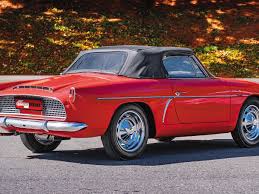
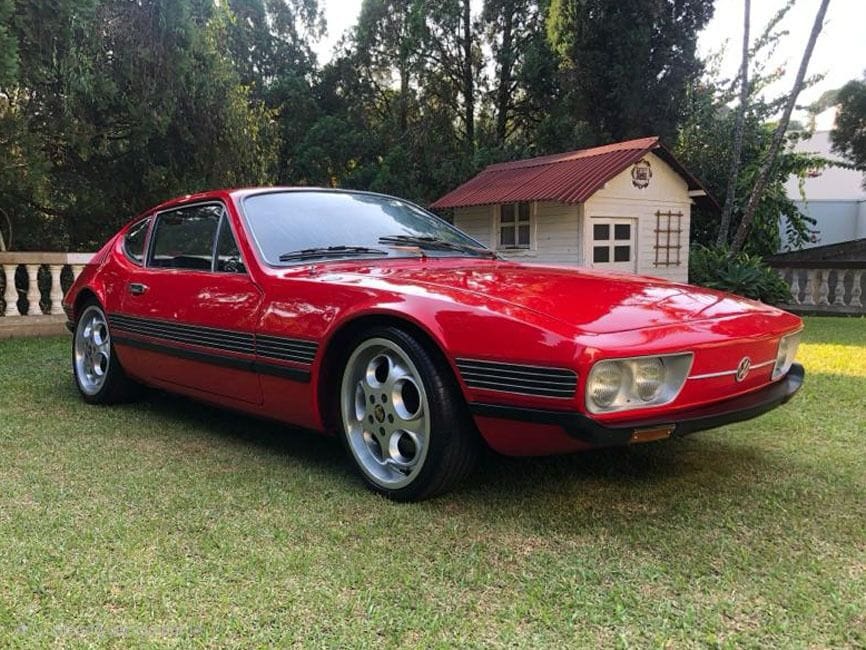
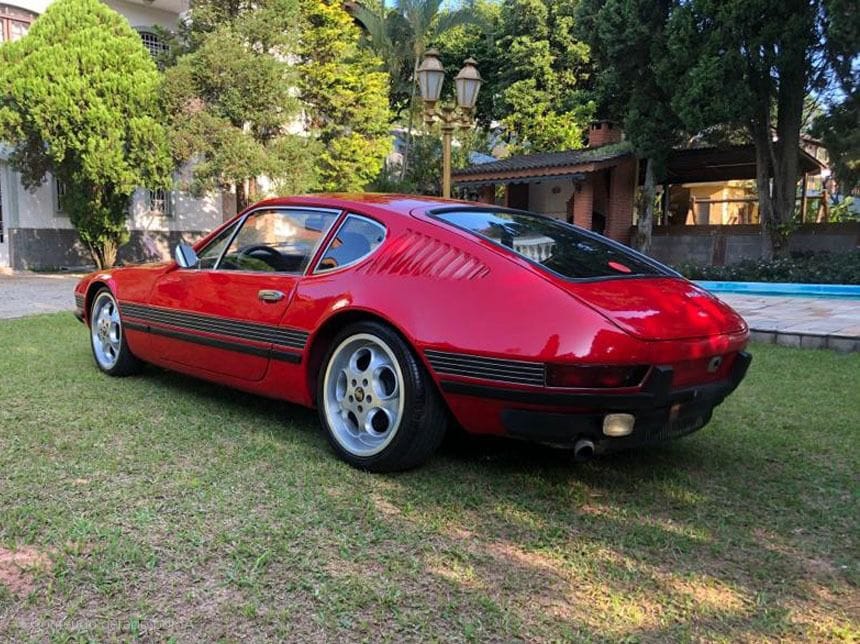
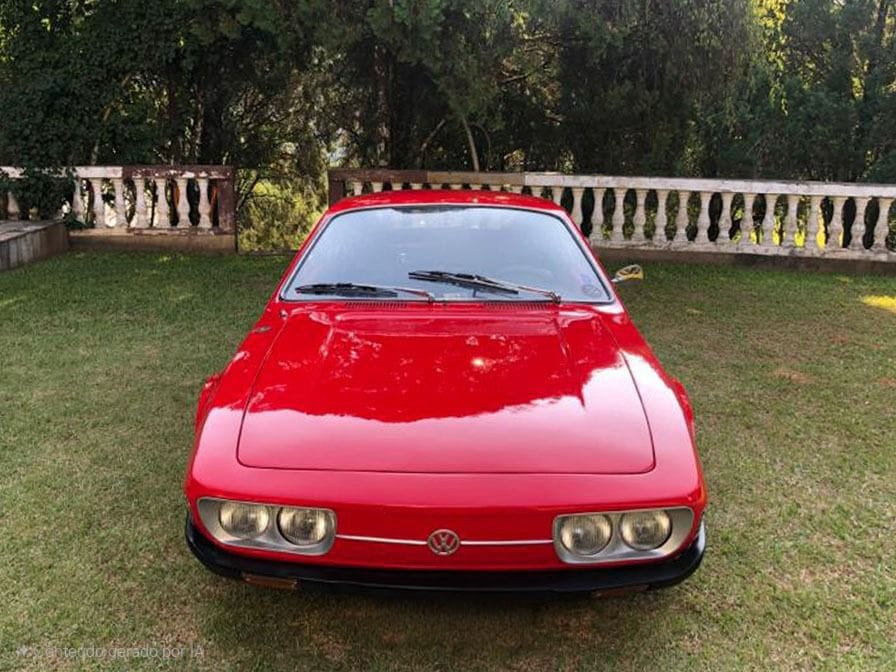
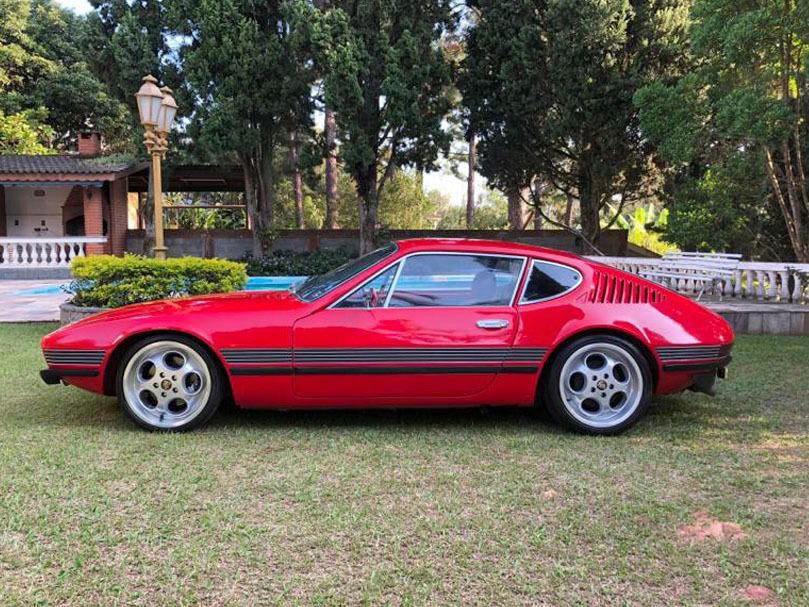
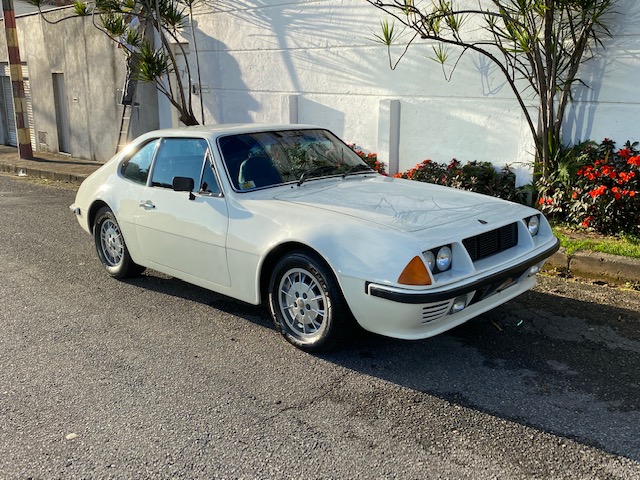
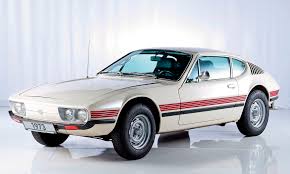
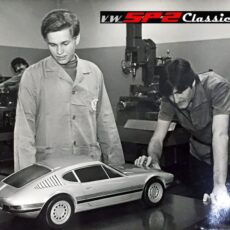
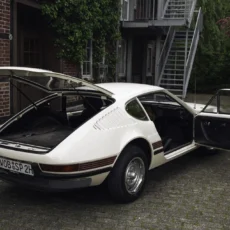
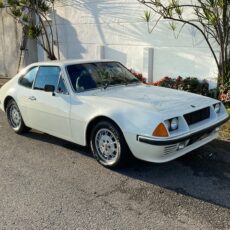
2- Volkswagen SP2 (1972–1976)
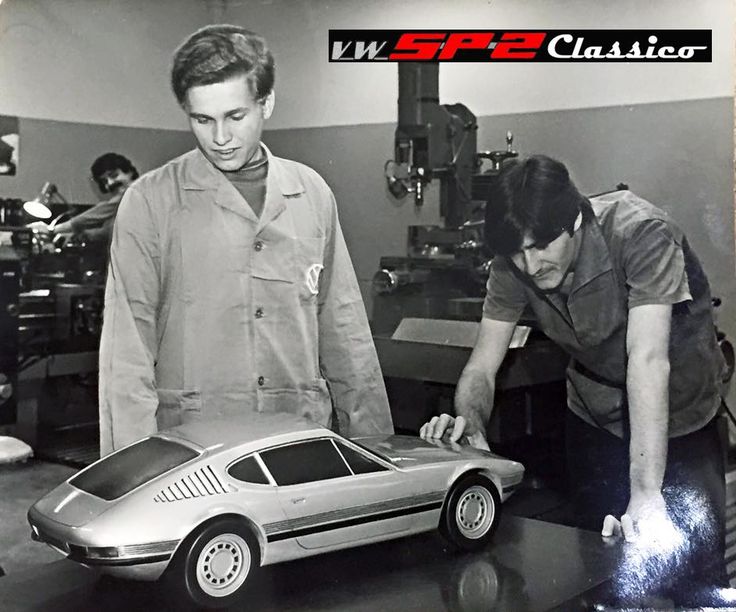
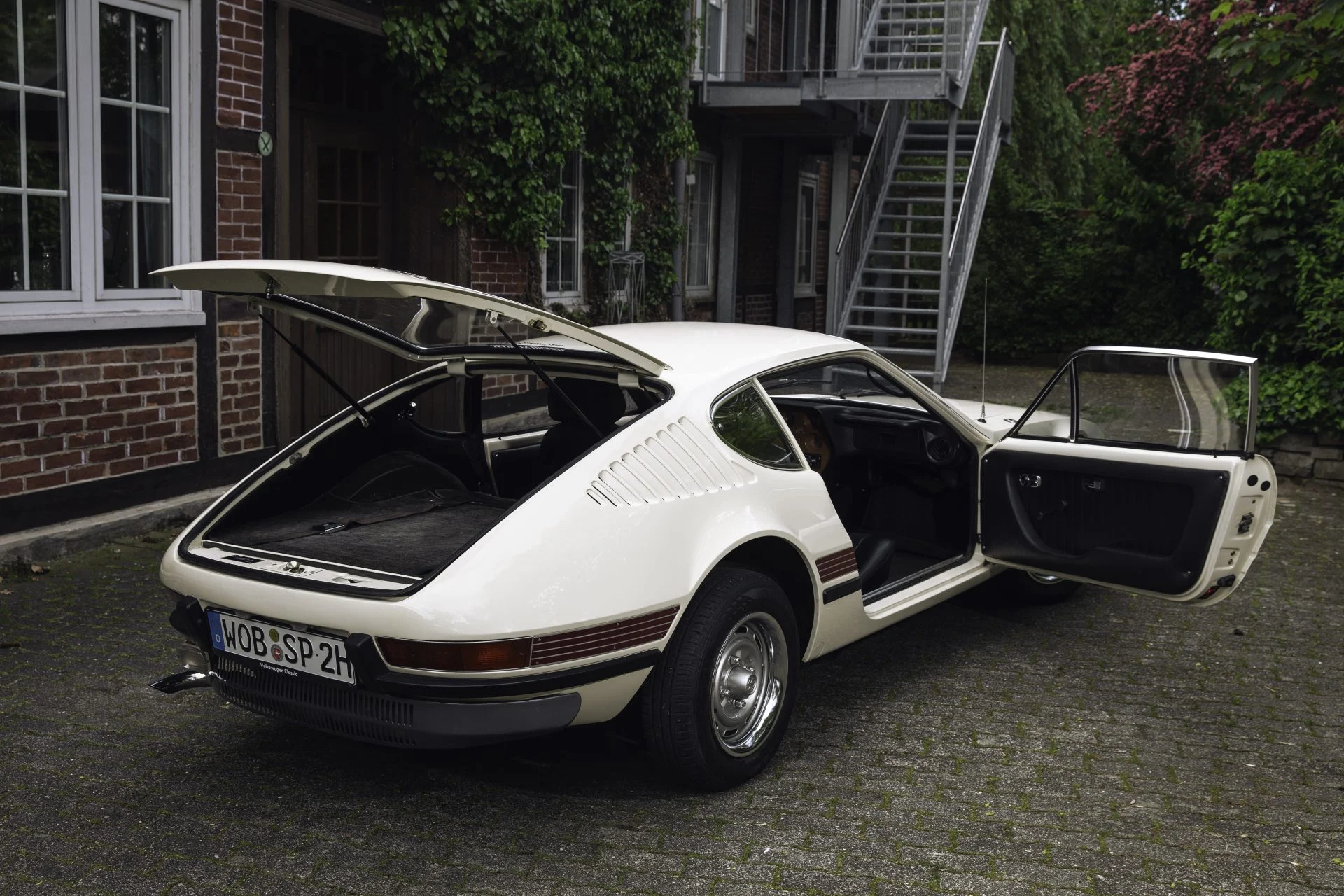
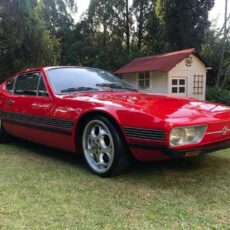
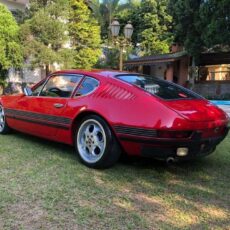
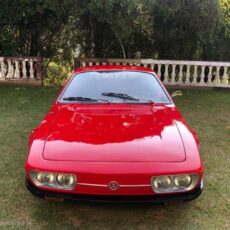
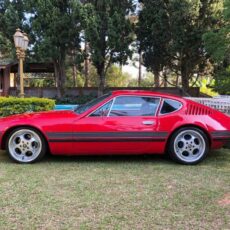
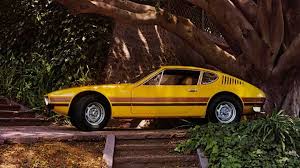
Developed by Volkswagen do Brasil, the SP2 was a sports car with innovative and futuristic design, but it lacked performance due to its modest 1.7-liter, 75 hp air-cooled engine. With rear-wheel drive and a four-speed manual transmission, the car had stunning looks, but its limited performance led to the end of production after about 11,000 units were made.
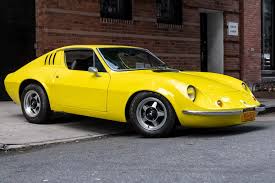
3- Puma GT, GTE, GTB and GTS (1967–1993)
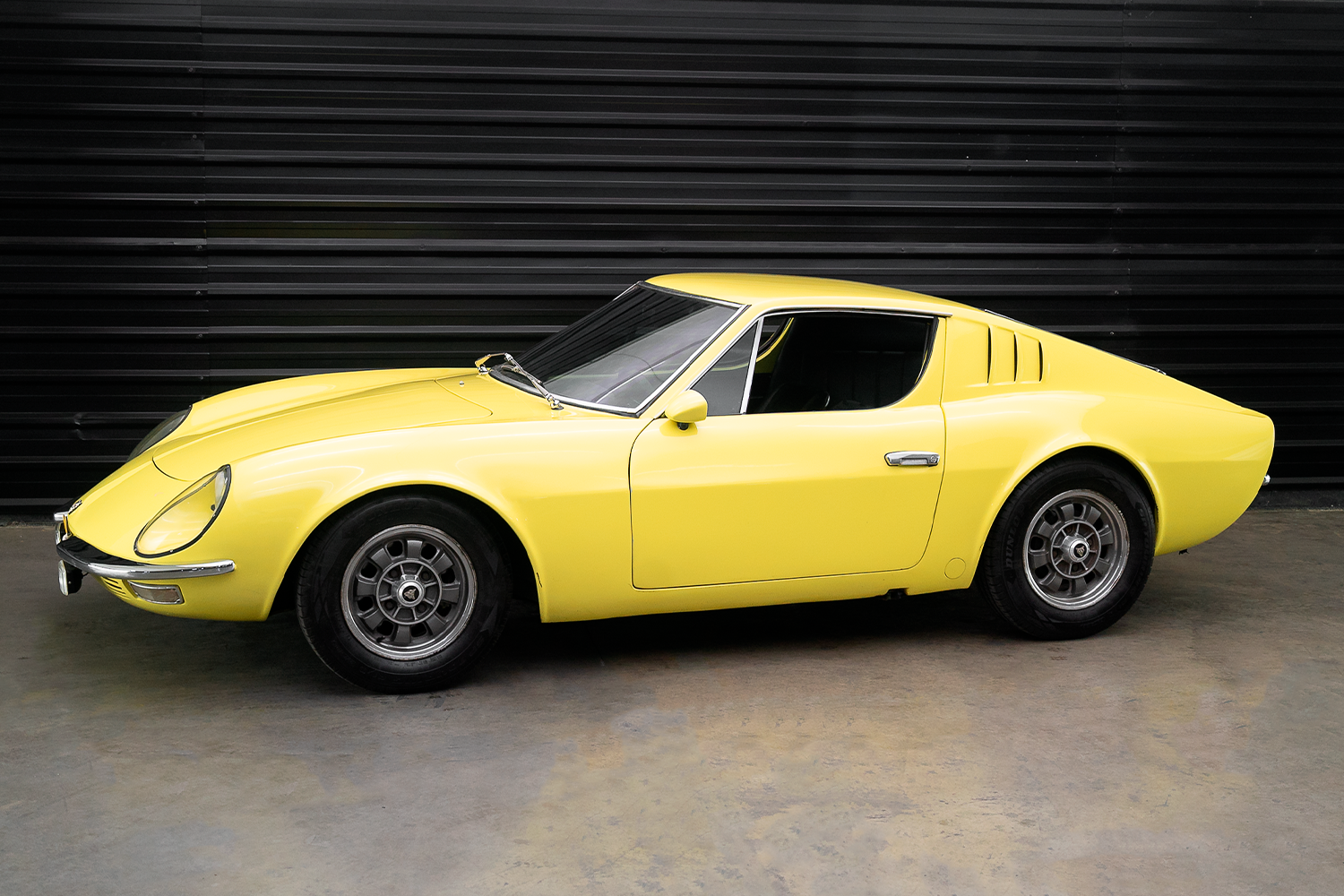
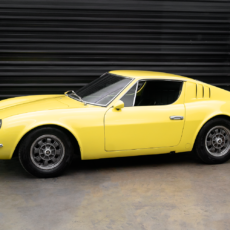
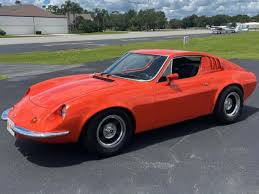
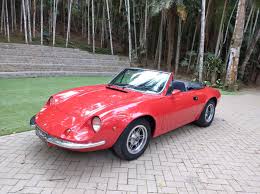
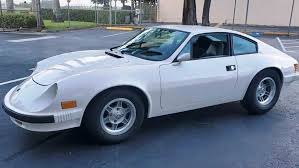
Puma Veículos e Motores created a line of sports cars exclusive to Brazil, initially using DKW mechanics and later Volkswagen platforms. The Puma GT and its variants GTE (coupé) and GTS (convertible) were known for their fiberglass bodies and design inspired by European sports cars. Engines ranged from 1.5 to 1.8 liters, with power output between 65 and 90 hp. The GTS version stood out for its more aggressive look and removable top.
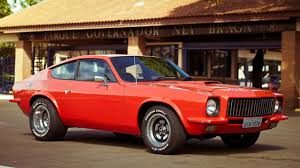
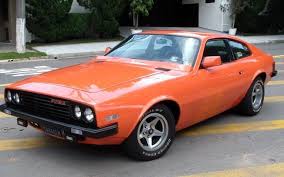
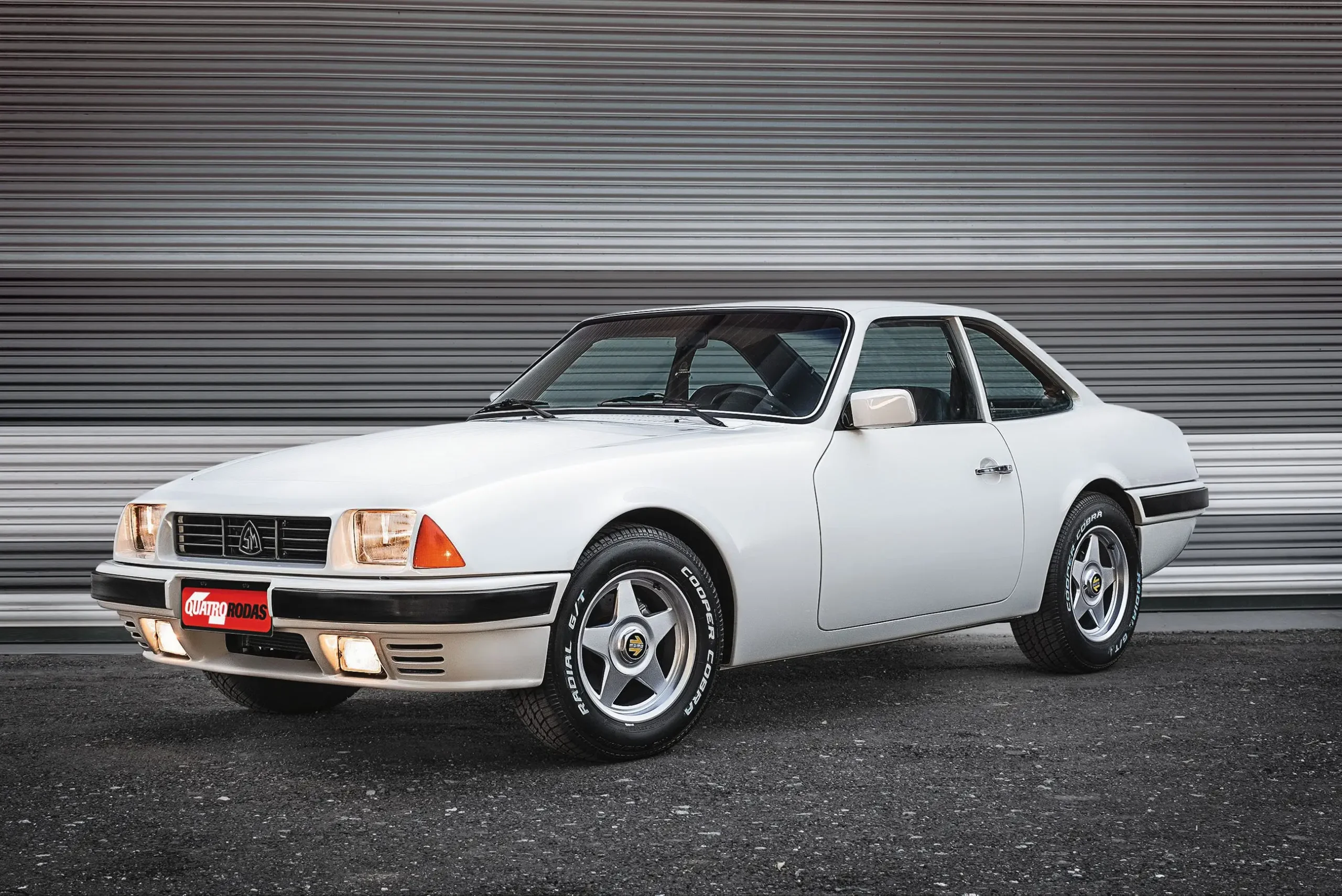
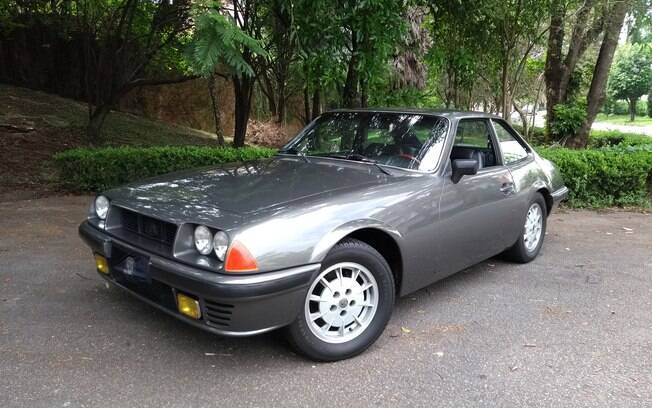
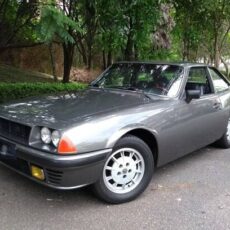
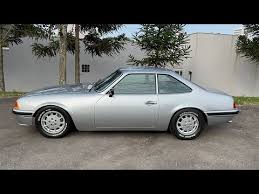
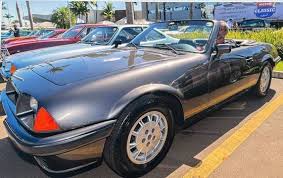
4- Santa Matilde (1977–1990)
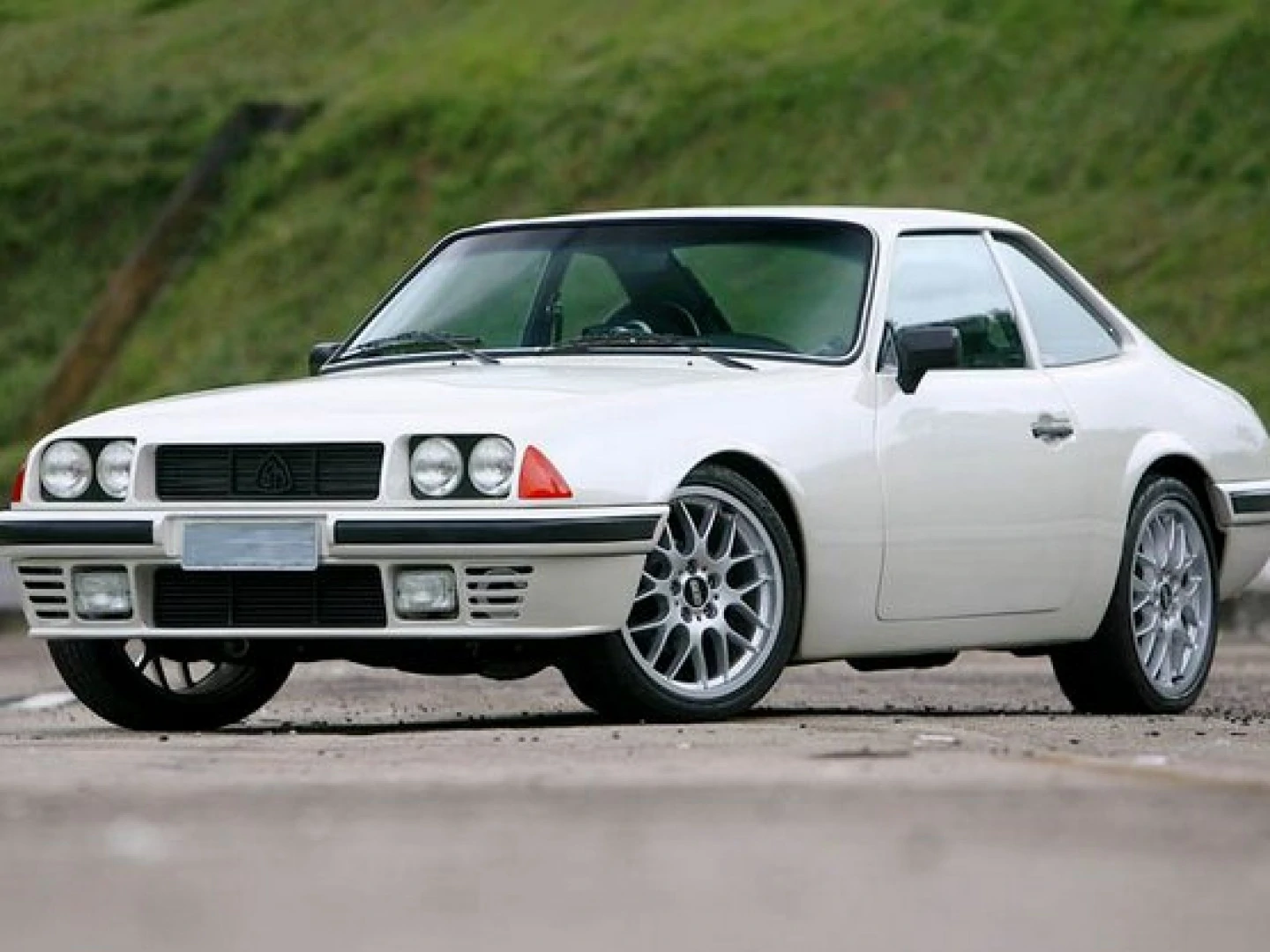
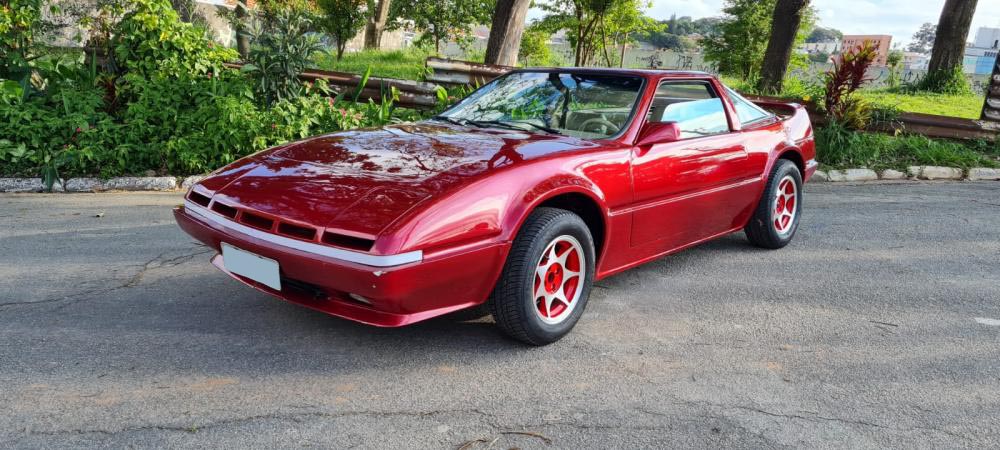
The Santa Matilde was a grand tourer produced in small scale, aimed at high-income consumers. Equipped with a Chevrolet 4.1-liter inline-six engine producing up to 170 hp, it offered luxury and performance in an elegant and exclusive design. The body was made of fiberglass, and the model was available in coupé and convertible versions.
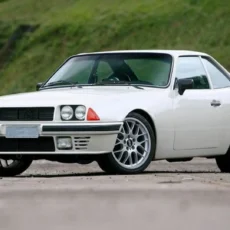
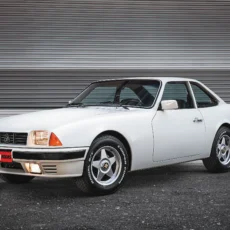
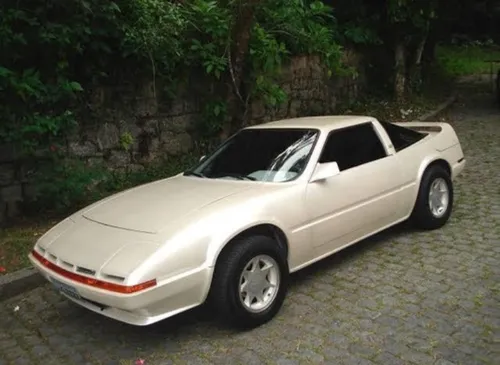
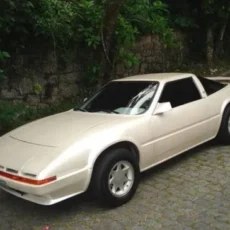
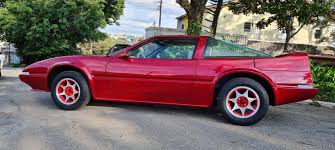
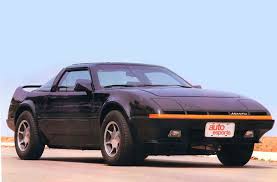
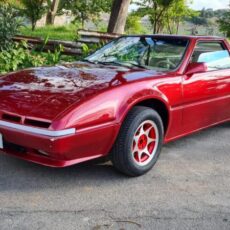
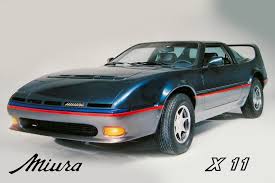
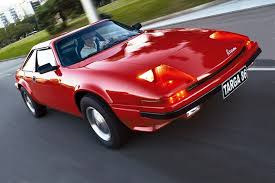
5- Miura (1976–1992)
Miura was a Brazilian manufacturer that created futuristic-looking sports models such as the Miura Targa, Miura Top Sport, and Miura Saga, all based on Volkswagen mechanics. What set these models apart was their sophistication and high level of customization, including features like digital dashboards, power steering, and electric sunroofs. Some models even featured code-based ignition, an innovative feature for the time.
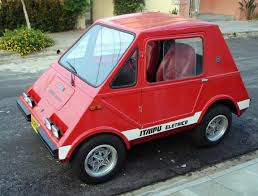
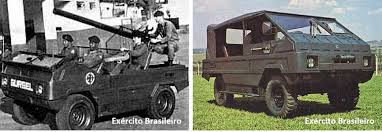
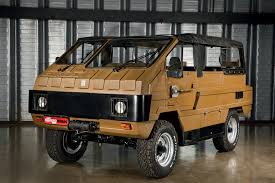
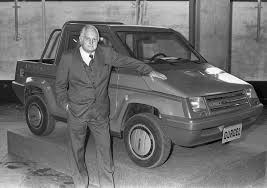
6- Gurgel (1973–1995)
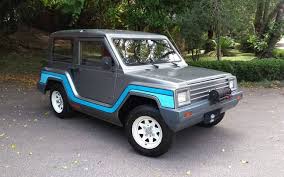
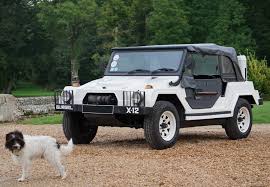
Gurgel Motores was the only 100% Brazilian manufacturer, founded by João do Amaral Gurgel. Its models, such as the Xavante, X-12, BR-800, and Supermini, were innovative and focused on durability and efficiency. The BR-800, for example, was the first Brazilian popular car, with a two-cylinder 800cc engine producing 32 hp, designed for affordability and economy.
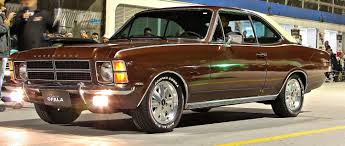
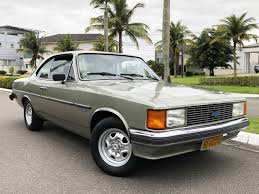
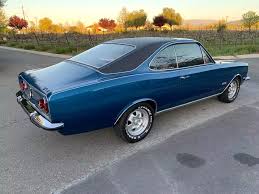
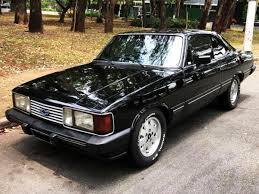
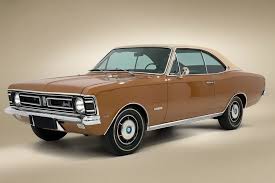
7- Chevrolet Opala and Opala SS (1968–1992)
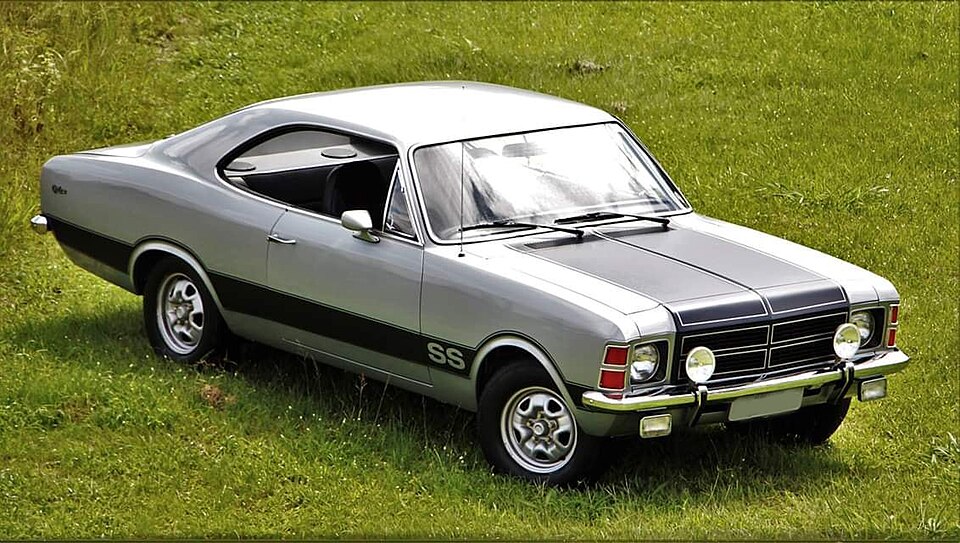
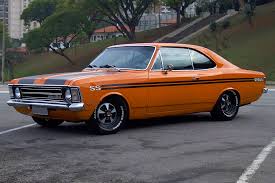
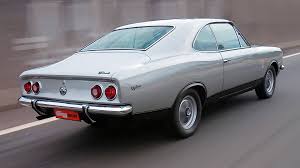
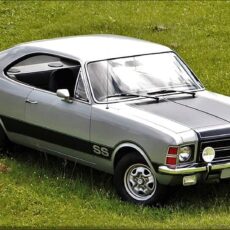
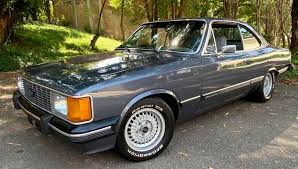
The Chevrolet Opala was General Motors’ first passenger car in Brazil. It featured 2.5-liter four-cylinder (80 hp) and 4.1-liter six-cylinder (121 hp) engines and was widely used by families, business owners, and even the Brazilian police. The Opala SS was the sportiest version, with distinctive styling and superior performance, reaching speeds of up to 190 km/h in the 4.1/S version.
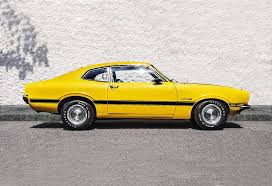
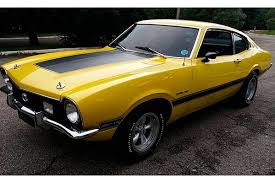
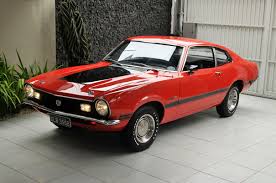
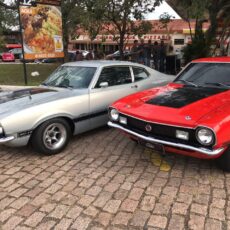
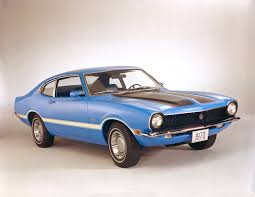
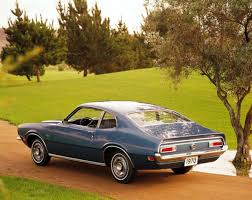
8- Ford Maverick (1973–1979)
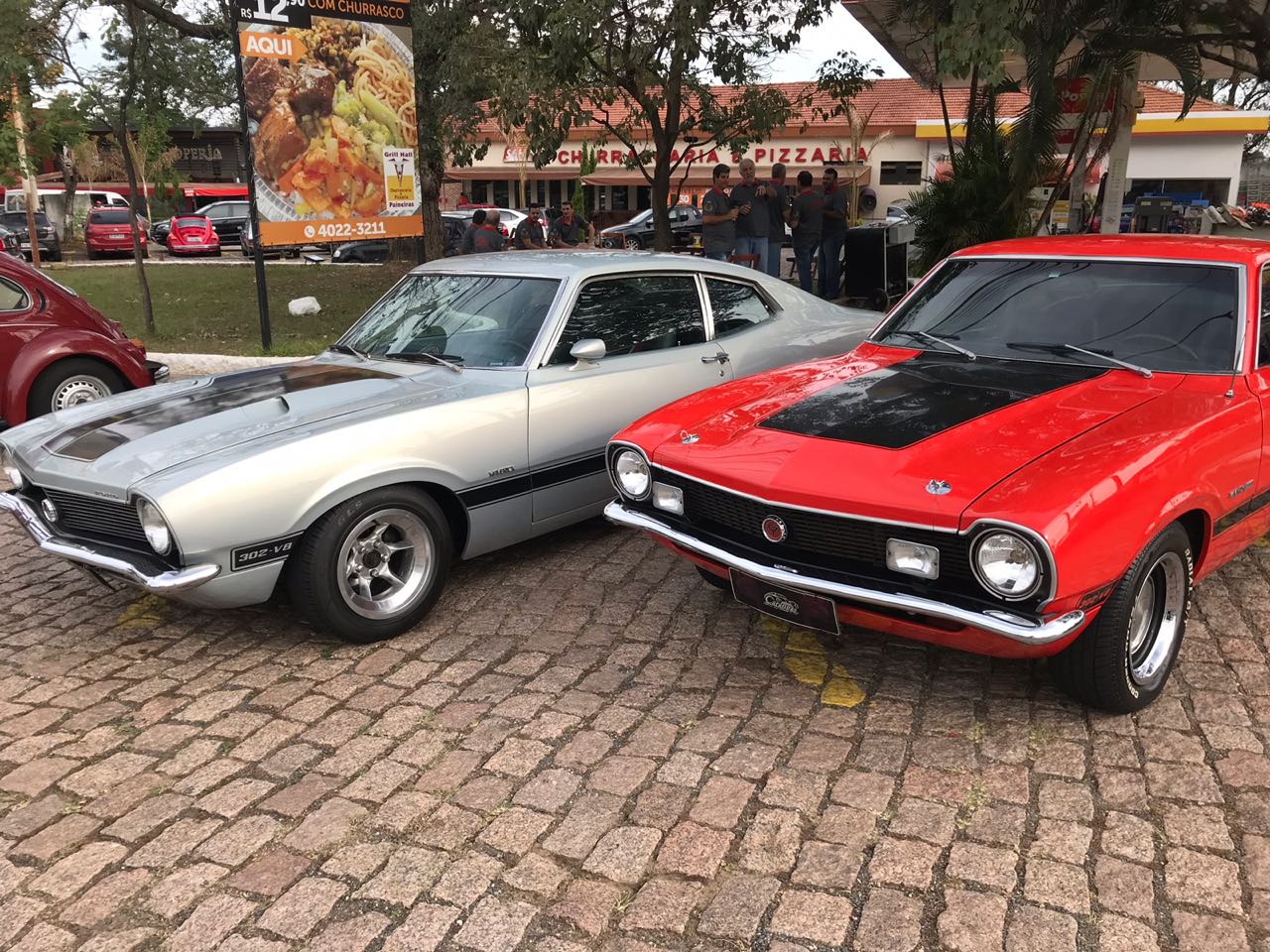
Inspired by the American model, the Brazilian Ford Maverick was offered with 2.3-liter four-cylinder (99 hp) and 5.0-liter V8 (199 hp) engines. Although it was overshadowed by the Opala, it became a classic cherished by collectors. The GT version, with its aggressive styling, was one of the most iconic national muscle cars.
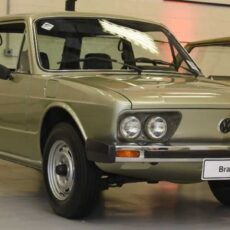
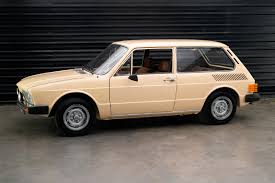
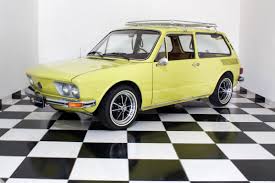
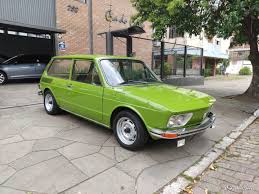
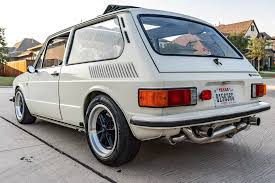
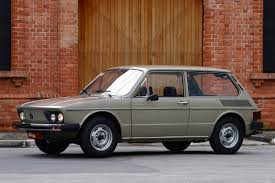
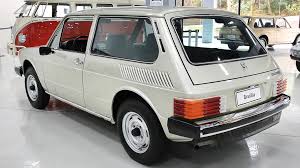
9- Volkswagen Brasília (1973–1982)
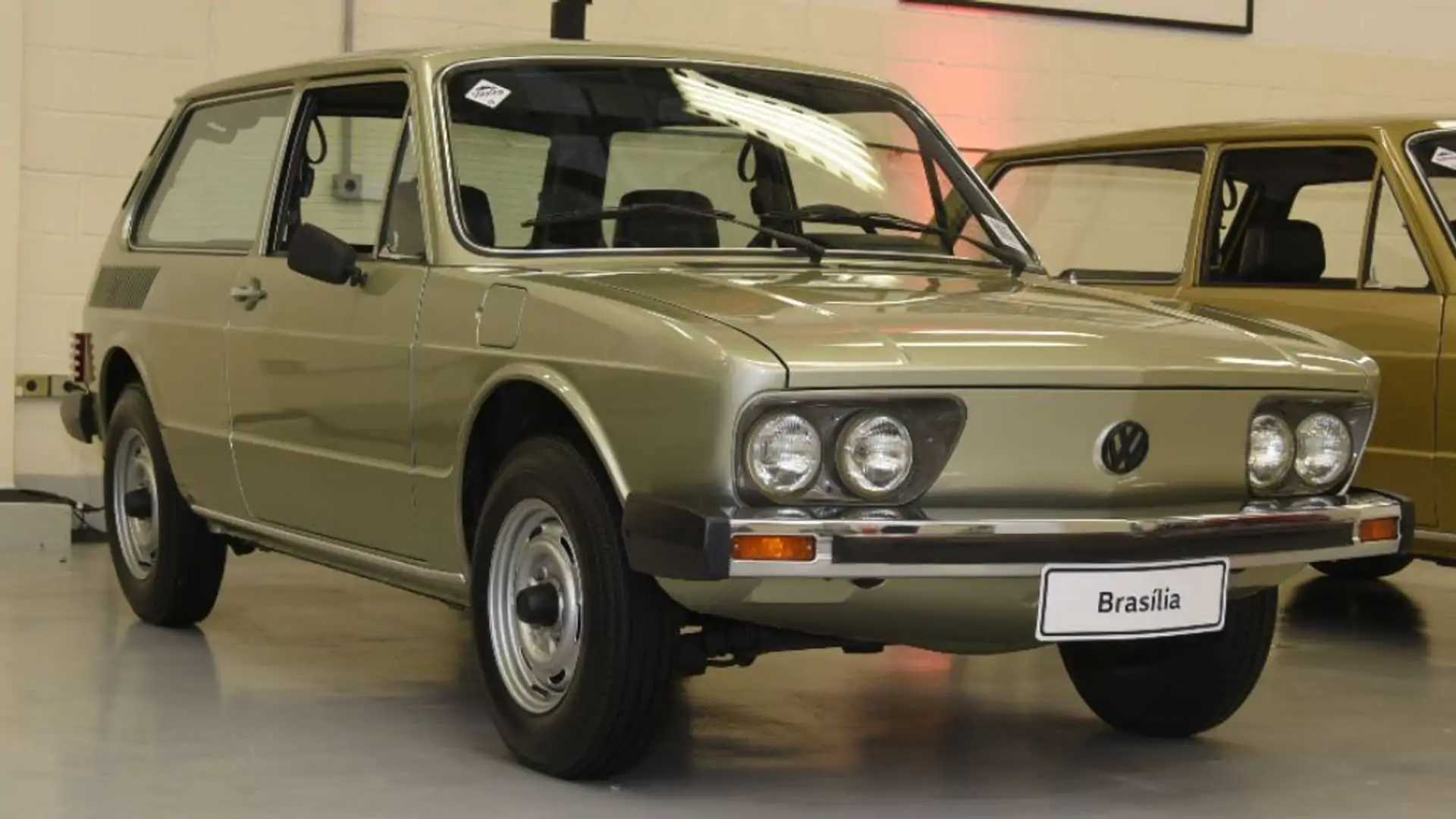
Created as a more modern and spacious version of the Beetle, the Volkswagen Brasília was highly successful in Brazil and other Latin American countries. It used a 1.6-liter air-cooled engine with 65 hp, offering durability and reliability.
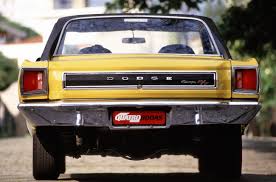
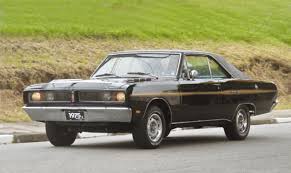
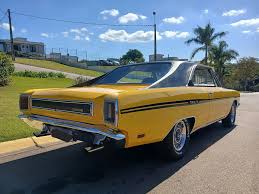
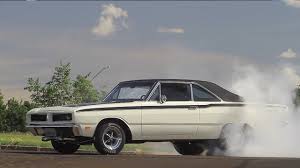
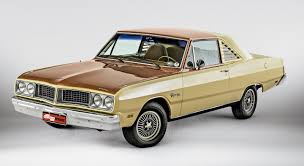
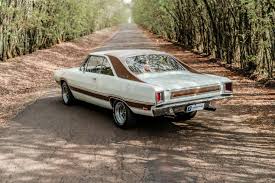
10- Dodge Charger R/T (1971–1981)
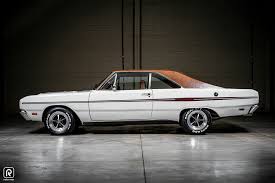
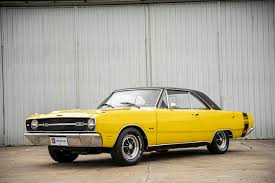
The Dodge Charger R/T was the sporty version of the Brazilian Dodge Dart, equipped with a 318 V8 engine delivering 215 hp. Its performance and muscle car styling made it one of the most coveted classics among enthusiasts.
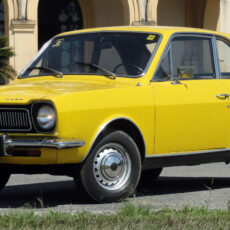
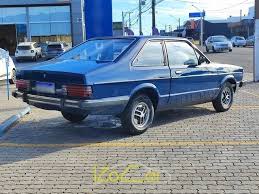
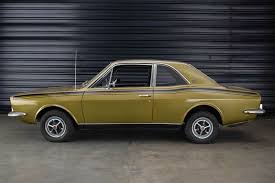
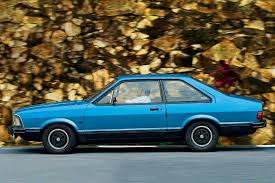
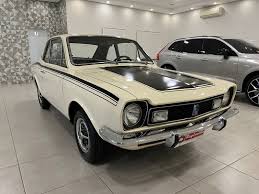
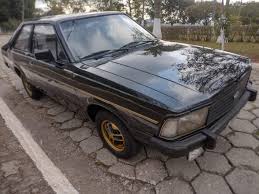
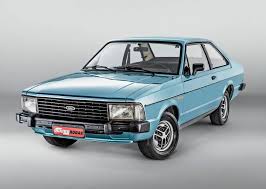
8- Ford Corcel and Corcel II (1968–1986)
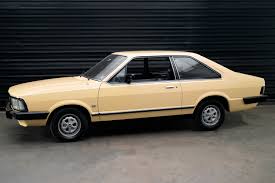
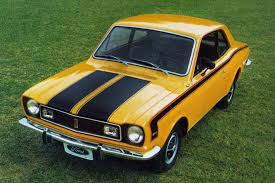
Developed based on the Renault 12, the Ford Corcel became one of the best-selling cars in Brazil. The second generation, Corcel II, modernized the design and offered more comfort, while maintaining mechanical reliability and fuel efficiency. The GT model was a sportier version with a more powerful 1.6-liter engine.
Conclusion
Brazil’s exclusive cars marked an era and demonstrated the creativity of the national industry. With models ranging from sophisticated sports cars to accessible compact vehicles, these automobiles helped shape the country’s automotive identity and continue to be celebrated by collectors around the world.
If you’re looking to purchase a restored Brazilian classic ready for export, contact us to discover our available options!