Price upon request

Since its arrival in Brazil in 1957, the Volkswagen Kombi has become an iconic figure on the country’s roads. However, what many may not know is that the Brazilian market witnessed the emergence of unique and singular versions of this classic vehicle that were not found anywhere else in the world.
In this article, we will explore five of these exclusive Kombi versions that have become part of Brazil’s rich automotive history. And if you’ve fallen in love with one of these rarities and dream of having it in your personal collection, CombiKombi is here to make that dream a reality anywhere in the world.
VW T1 Kombi 6 Doors: Space and Versatility
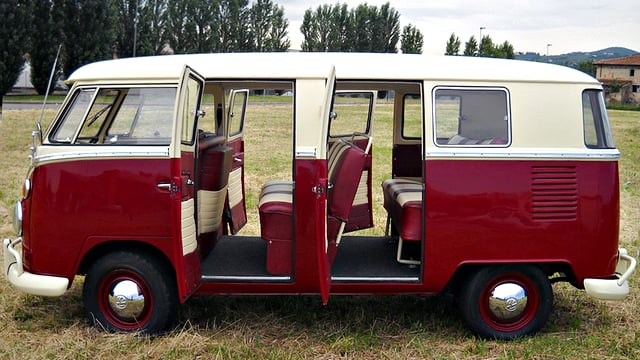
In 1960, the Brazilian market saw the introduction of a unique version of the Kombi—the Kombi 6 Doors.
As the name suggests, it featured a distinct layout with two individual rear doors on each side of the body. This configuration was designed to meet the needs of taxi services, school transportation, airlines, and large families, offering ample space and versatility. Initially equipped with the 1200cc engine, it received the 1500cc engine in 1967, providing enhanced performance. Later, with the arrival of the 1600 engine in 1975, the Kombi 6 Doors adapted to the new generation while maintaining its presence in the market.
VW T2 Kombi “Clipper”: A Hybrid of Generations

In 1976, the Brazilian Volkswagen made a unique decision by adopting the front end of the second generation of the European Kombi but combining it with elements of the previous generation.
The result was the Kombi “Clipper,” a unique blend featuring the look of the German T2 generation, including a curved windshield and larger doors, with conventional windows, while retaining the sides and doors of the previous generation. This uniqueness made the Kombi “Clipper” a rare treasure on the roads of Brazil.
VW T2 Kombi Diesel: Efficiency and Economy
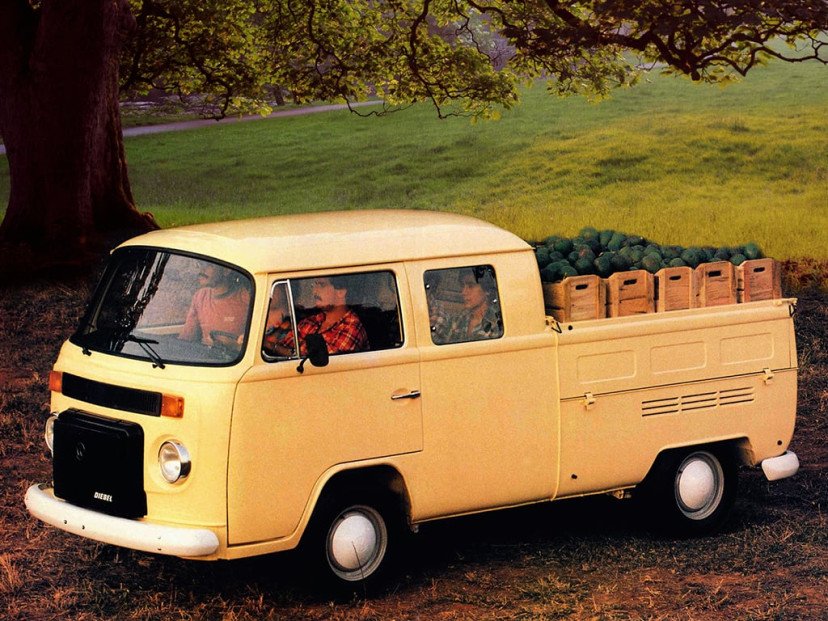
Between 1981 and 1985, the Brazilian market witnessed the arrival of a Kombi version that was never offered in any other country: the Kombi Diesel. Equipped with a 1.6 engine producing 51 hp and liquid cooling, this Kombi was the first in history to use a radiator adapted to the front.
Its fuel-efficient engine allowed the Kombi to achieve a mileage between 15 km/l and 18 km/l. However, modest performance and an inadequate cooling system led Volkswagen to cease production of this version just four years after its launch.
VW T2 Kombi Boxster fuel injected: Technological Advancement
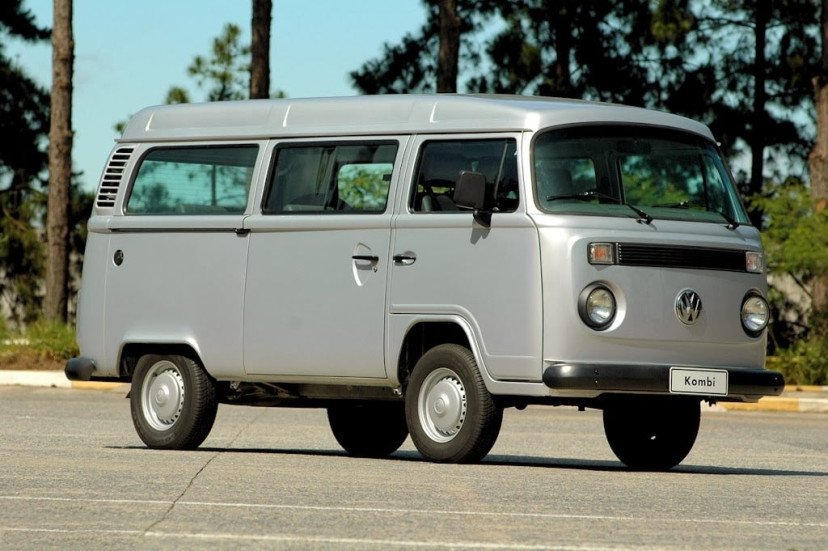
In 1998, Volkswagen introduced a technological advancement to the Brazilian Kombi by replacing the 1600cc engine’s carburetors with a multipoint electronic injection system.
This provided better performance and fuel efficiency. Although electronic injection was not a novelty in itself, the Kombi Boxer fuel injected stood out as the only Kombi in history to use an injected boxer engine.
VW T2 Kombi “AP” 1.8: The Mexican Touch
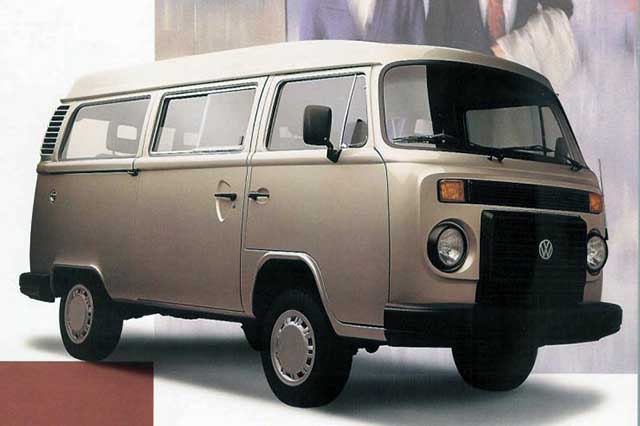
After the era of the Kombi Diesel in Brazil, Mexicans also had the chance to enjoy a Kombi with a water-cooled engine.
Equipped with an engine similar to the Brazilian AP1800, this Kombi used a simple carburetor to produce 71 hp. Later, in 1991, it received electronic injection, raising the power to 75 hp. Additionally, this Mexican version also featured a sliding side door, something that only arrived in Brazil when the Brazilian Kombi started being exported to Mexico.
Count on us so that you can have a T1 exclusive to Brazil in any country in the world.
If any of these exclusive VW Kombi models has stolen your heart, know that CombiKombi is ready to make the arrival of these cars possible in any country worldwide.
Contact us and turn your dream of owning one of these automotive rarities into reality. With CombiKombi, borders are not obstacles to the passion for classic cars.
Written by:
Cassio Fordeoloni